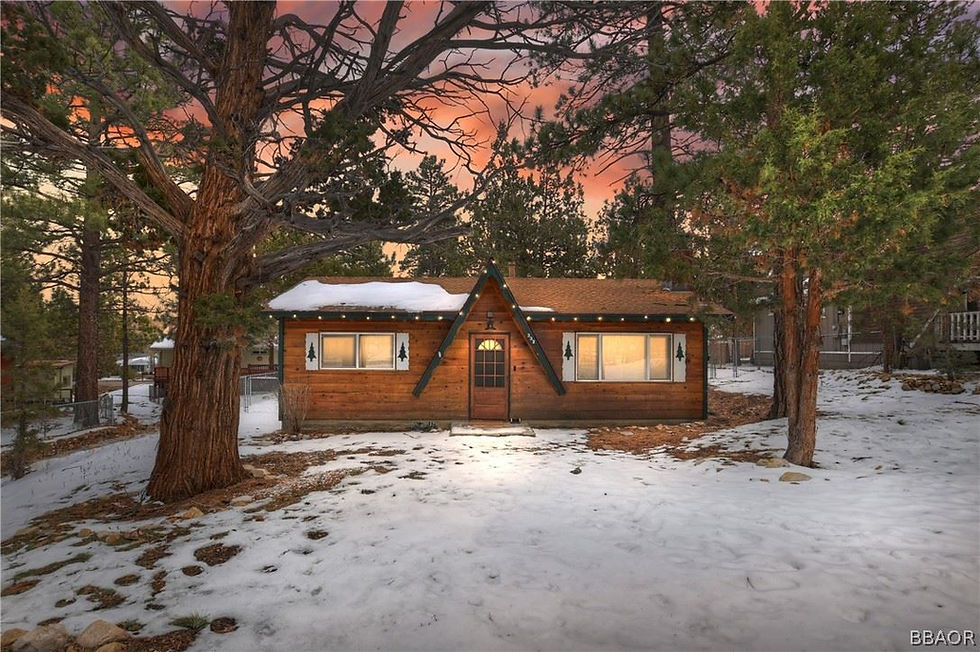
Big Bear Airbnb Winter Preparation Checklist: How to Attract More Guests and Protect Your Rental

Winter is one of the most exciting times to own a vacation rental in Big Bear. As temperatures drop and visitors begin planning ski trips, holiday vacations, and mountain getaways, cabin owners have an opportunity to attract guests looking for a memorable winter experience.
But a successful winter rental season requires more than opening your calendar and waiting for reservations.
From preparing your property for freezing temperatures to updating your listing photographs and adjusting your pricing, there are several important steps owners should take before winter arrives.
Whether you own a small mountain retreat or a spacious luxury cabin, preparing your Big Bear Airbnb for winter can help improve the guest experience, reduce maintenance risks, and keep your property competitive.
Here's your complete winter preparation checklist for Big Bear vacation rental owners.
Why Winter Preparation Matters for Big Bear Vacation Rentals
Big Bear attracts visitors throughout the year, but winter creates unique opportunities and responsibilities for short-term rental owners.
Guests may be visiting for skiing, snowboarding, snow play, holiday celebrations, or simply the experience of staying in a mountain cabin.
During these trips, travelers often prioritize warmth, comfort, convenience, and reliable amenities.
At the same time, winter weather can create challenges for property owners.
Freezing temperatures, snowfall, icy walkways, and increased heating demands can affect the condition of your cabin and your guests' experience.
Preparing ahead of time helps reduce the likelihood of preventable problems during busy travel periods.
1. Inspect Your Heating System Before Winter Arrives
One of the most important steps in preparing a Big Bear cabin for winter is making sure the heating system works properly.
Guests expect their vacation rental to be comfortable, especially when outdoor temperatures drop below freezing.
A heating problem during a holiday reservation can quickly become a serious inconvenience.
Winter Heating Checklist
Before your first winter booking:
Schedule a professional heating system inspection.
Replace or clean air filters as recommended.
Test thermostats.
Inspect heating vents.
Check for unusual noises or performance issues.
Make sure guests can easily understand heating controls.
Confirm that any fireplaces are properly maintained and safe to use.
If your cabin has a wood-burning fireplace, provide clear operating instructions and follow applicable fire safety requirements.
Make Heating Instructions Easy to Find
Guests shouldn't have to contact you just to figure out how to adjust the thermostat.
Include simple instructions in your welcome guide or property information.
Clear communication can prevent unnecessary frustration and help guests feel comfortable from the moment they arrive.
2. Protect Your Plumbing From Freezing Temperatures
Frozen pipes can be a costly problem for mountain properties.
When temperatures fall below freezing, exposed or poorly insulated plumbing may be vulnerable to damage.
A burst pipe can lead to significant repairs, water damage, and canceled reservations.
How to Prepare Your Cabin's Plumbing
Consider taking these precautions:
Insulate vulnerable pipes. Have a qualified professional identify exposed plumbing that may need additional protection.
Check outdoor faucets. Prepare exterior water connections for freezing conditions.
Inspect plumbing areas. Look for existing leaks or signs of moisture.
Maintain appropriate indoor temperatures. Follow your heating professional's recommendations for protecting the property when it is unoccupied.
Know where the water shutoff valve is located. Make sure the appropriate people can access it during an emergency.
If your property will remain vacant for an extended period, consult a qualified plumber about appropriate winterization procedures.
3. Prepare Driveways, Walkways, and Parking Areas
Winter accessibility is an important part of the guest experience.
Even a beautiful cabin can create problems for visitors if they cannot safely reach the entrance or park their vehicles.
Snow and ice can affect driveways, stairs, decks, and walkways.
Review Your Winter Access Plan
Before the season begins, determine:
Who is responsible for snow removal
When snow removal services will be provided
Whether your driveway has steep or difficult sections
Where guests should park during winter weather
How walkways and entrances will be maintained
Whether outdoor lighting is adequate
If you hire a snow removal company, confirm its service arrangements before major storms arrive.
Communicate Parking Restrictions
Make sure your listing clearly explains how many vehicles can park at the property.
If guests need to follow special winter parking instructions, provide those details before arrival.
Clear expectations can help prevent parking problems during busy holiday weekends.
4. Check Your Cabin's Safety Equipment
Guest safety should be a priority throughout the year, but winter is an especially important time to review your property's safety equipment.
Heating appliances, fireplaces, and cold weather can create additional hazards.
Essential Safety Checks
Review the condition and placement of:
Smoke alarms
Carbon monoxide alarms
Fire extinguishers
Emergency lighting
Exterior lighting
Stair and deck railings
Door locks
Emergency contact information
Make sure all equipment meets applicable building, fire, and short-term rental requirements.
Provide Emergency Information
Guests should know what to do if they experience a power outage, heating issue, or other emergency.
Consider including:
Emergency contact numbers
Property management contact information, if applicable
Instructions for reporting maintenance issues
Information about emergency exits
Basic winter safety guidance
The easier this information is to find, the better prepared your guests will be.
5. Update Your Airbnb Listing for Winter Travelers
Your vacation rental listing should reflect the experience guests can expect during the season they're booking.
If your listing primarily showcases summer activities, you may be missing opportunities to connect with winter travelers.
Highlight Winter-Friendly Features
Consider emphasizing:
Comfortable indoor gathering spaces
Heating and fireplaces, where available
Hot tubs
Game rooms
Fully equipped kitchens
Mountain views
Proximity to winter recreation
Convenient parking
Space for families and groups
Only advertise amenities that are actually available and operational.
Update Your Listing Description
Your description should help travelers imagine spending a winter vacation at your cabin.
Instead of focusing only on bedrooms and bathrooms, describe how guests can enjoy the property.
For example:
"After a day exploring Big Bear's winter activities, return to a comfortable mountain retreat where your group can prepare dinner, relax together, and enjoy a cozy evening."
This type of description helps connect the property's features with the experience guests are looking for.
6. Invest in High-Quality Winter Photography
Photographs are often one of the first things potential guests notice when comparing vacation rentals.
If your cabin looks especially inviting during winter, make sure your listing reflects that.
Winter Photography Ideas
Capture:
The cabin exterior during winter
Warm, inviting living spaces
Comfortable bedrooms
Dining areas set for gatherings
Fireplaces, where available
Hot tubs and outdoor amenities
Mountain scenery
Seasonal decorations, if appropriate
Natural snowfall can create beautiful photography opportunities, but avoid using images that misrepresent the property's typical conditions.
If you don't have snowy photographs, focus on attractive interior spaces and amenities that guests can enjoy regardless of the weather.
Why Updated Photography Matters
Outdated or poorly lit photographs may make it harder for travelers to understand the property's value.
Clear, professional images can help potential guests feel more confident about booking.
7. Review Your Winter Pricing Strategy
Winter can bring periods of strong demand, particularly around major holidays and popular recreation weekends.
However, not every winter date will have the same booking potential.
A thoughtful pricing strategy can help owners respond to changes in demand.
Dates to Evaluate
Review your pricing around:
Thanksgiving weekend
Christmas week
New Year's celebrations
Martin Luther King Jr. weekend
Presidents Day weekend
Popular ski weekends
Quieter midweek periods
Holiday and weekend demand may support different rates than slower weekdays.
Use Comparable Properties
Research cabins with similar:
Bedroom counts
Guest capacities
Locations
Amenities
Property conditions
Guest reviews
Comparing similar rentals can help you evaluate whether your pricing is competitive.
Avoid Relying Only on Occupancy
A fully booked calendar doesn't always mean you're maximizing profitability.
Track your average nightly rate, total rental revenue, and operating expenses.
The goal is to generate sustainable revenue while maintaining a positive guest experience.
8. Consider Minimum-Stay Requirements Carefully
Minimum-night policies can influence booking patterns.
During busy holiday periods, longer stays may help reduce turnover and support revenue.
During quieter winter weekdays, shorter minimum stays may attract travelers who only want a quick mountain escape.
Finding the Right Balance
Review your booking history and consider whether different minimum stays make sense for different dates.
For example, you might evaluate longer minimum stays during Christmas week while allowing more flexibility during lower-demand periods.
Remember to consider cleaning costs, turnover expenses, local regulations, and guest demand before making changes.
9. Stock Your Cabin With Winter Essentials
Guests appreciate thoughtful details, especially when visiting a mountain destination during cold weather.
Providing appropriate essentials can help make their stay more comfortable.
Winter Guest Essentials
Consider stocking:
Extra blankets
Clean towels
Basic kitchen supplies
Coffee and tea supplies
Adequate dishware
Flashlights or emergency lighting
Clear heating instructions
Local emergency information
Make sure linens, towels, and other supplies are appropriate for the maximum permitted guest capacity.
Add a Thoughtful Welcome Touch
A small welcome gesture can make a positive first impression.
Consider providing a printed winter activity guide, recommendations for local restaurants, or information about nearby attractions.
These details don't have to be expensive to be appreciated.
10. Create a Winter Welcome Guide
A helpful guest guide can answer common questions before they become problems.
This is especially useful for visitors who have never traveled to Big Bear during winter.
What to Include
Your winter welcome guide could cover:
Driving information: Remind guests to check Caltrans road conditions and chain requirements.
Parking instructions: Explain where vehicles should be parked and any property-specific restrictions.
Heating instructions: Show guests how to use the thermostat and other permitted heating features.
Local attractions: Share information about skiing, snow tubing, shopping, and dining.
Emergency contacts: Provide instructions for urgent maintenance issues.
Checkout procedures: Explain what guests should do before leaving.
A well-organized guide can help guests feel prepared and reduce repetitive questions.
11. Prepare for Winter Weather Changes
Big Bear's mountain weather can change quickly.
While winter storms may bring snow and beautiful scenery, they can also affect roads, utilities, and outdoor access.
Owners should have a plan for handling unexpected weather-related situations.
Build a Winter Operations Plan
Consider how you'll respond to:
Heavy snowfall
Icy driveways
Power outages
Heating problems
Frozen plumbing
Road closures
Delayed arrivals
Maintenance emergencies
Make sure you have reliable local service contacts and clear procedures for communicating with guests.
Set Realistic Expectations About Snow
One common misconception is that every winter visit to Big Bear guarantees snowfall.
Natural snow conditions vary from year to year and week to week.
Avoid promising a snowy experience in your listing.
Instead, promote the activities and amenities guests can enjoy regardless of the weather.
12. Keep Your Property Clean and Well-Maintained
Winter guests may spend more time indoors than summer visitors.
That makes the condition of your cabin especially important.
Before the season begins, schedule a detailed property inspection and deep cleaning.
Areas to Prioritize
Pay attention to:
Upholstered furniture
Carpets and rugs
Kitchen appliances
Bathrooms
Windows
Bedding
Heating vents
Entryways
Outdoor amenities
Make sure all advertised features are working properly.
A clean, comfortable cabin can help create a positive guest experience and encourage favorable reviews.
13. Promote Your Cabin Before the Holiday Rush
One of the most important marketing lessons for vacation rental owners is that promotion should begin before the dates you're trying to fill.
If you're hoping to attract Christmas travelers, don't wait until Christmas week to begin marketing your property.
Winter Marketing Ideas for Big Bear Cabin Owners
Create holiday-themed social media content. Showcase the cabin as a place for family gatherings, Christmas celebrations, and winter vacations.
Highlight specific amenities. Share photographs and videos of features that make the property appealing during colder weather.
Promote winter activities. Help potential guests discover things to do in Big Bear beyond skiing.
Share seasonal travel tips. Provide helpful information about packing, driving, and preparing for a mountain vacation.
Encourage early planning. Remind travelers to explore available dates before popular holiday periods.
Update your website and listings. Make sure winter photographs, descriptions, and availability information are current.
Consistent marketing can help keep your property visible as travelers research their next getaway.
14. Focus on the Guest Experience to Encourage Repeat Bookings
Attracting a winter reservation is only part of the process.
Creating a positive experience can help encourage guests to return for another visit.
What Guests Remember
Travelers are likely to appreciate:
A clean property upon arrival
Accurate listing information
Clear check-in instructions
Comfortable accommodations
Working amenities
Helpful communication
Prompt responses to problems
Small details can make a meaningful difference.
A family that enjoys a Christmas getaway may return for summer vacation, while a couple visiting for a ski weekend may consider another trip during the fall.
When appropriate and permitted, invite guests to stay connected through your approved marketing channels.
15. Review Your Winter Performance
Once winter is underway, don't simply wait until the season ends to evaluate results.
Regularly reviewing your rental performance can help you identify opportunities to improve.
Important Metrics to Track
Occupancy rate: The percentage of available nights that are booked.
Average daily rate: The average rental revenue earned per booked night.
Revenue per available rental night: A measure that combines occupancy and average nightly revenue.
Booking lead time: How far in advance guests typically reserve your property.
Operating expenses: Costs associated with maintaining and operating the rental.
Guest feedback: Reviews and comments that may reveal opportunities for improvement.
Tracking these metrics can help you make more informed decisions about pricing, marketing, and future property investments.
Your Big Bear Airbnb Winter Preparation Checklist
Before welcoming winter guests, make sure you've completed these important steps:
Inspect heating systems and fireplaces.
Review plumbing and freeze protection.
Arrange snow removal and winter property access.
Test smoke and carbon monoxide alarms.
Inspect lighting, railings, and safety equipment.
Update winter listing descriptions.
Refresh photographs.
Review holiday and midweek pricing.
Confirm minimum-stay policies.
Stock essential guest supplies.
Prepare a winter welcome guide.
Establish emergency maintenance procedures.
Schedule deep cleaning.
Promote holiday availability.
Monitor bookings and guest feedback.
Taking care of these details ahead of time can help you enter the winter season with greater confidence.
Make the Most of Big Bear's Winter Rental Season
Winter offers Big Bear vacation rental owners an opportunity to welcome travelers looking for memorable mountain experiences.
But strong rental performance depends on more than location alone.
A well-maintained property, thoughtful pricing, effective marketing, and a positive guest experience all contribute to a competitive vacation rental.
Whether you're preparing for Christmas reservations, ski season, or a busy holiday weekend, taking a proactive approach can help protect your investment and support your property's long-term success.
At Big Bear Experiences, we believe memorable mountain vacations begin with exceptional accommodations and thoughtful guest experiences.
Explore our collection of luxury Big Bear cabins and discover the features that help create unforgettable stays throughout the year.