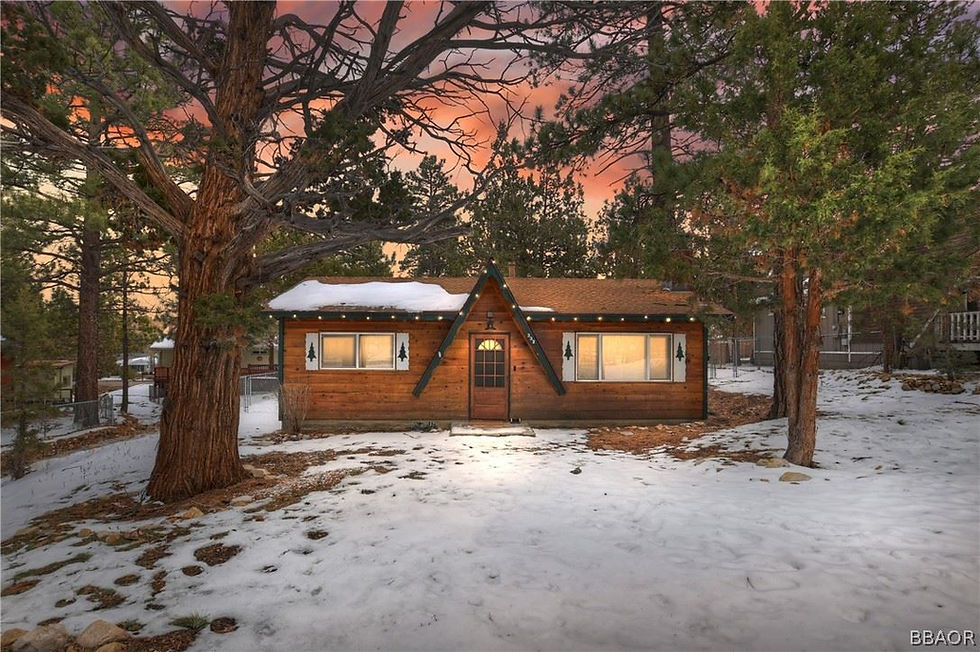
Big Bear Airbnb Holiday Pricing Strategy: How to Fill Calendar Gaps and Maximize Winter Revenue

The holiday season can create exciting opportunities for Big Bear Airbnb owners. As travelers begin planning Thanksgiving celebrations, Christmas vacations, New Year's getaways, and winter ski trips, demand for mountain accommodations can increase.
But having a cabin in a popular winter destination doesn't automatically guarantee a fully booked calendar or strong rental income.
The difference often comes down to how effectively property owners manage their pricing, availability, minimum-night requirements, and marketing.
Whether you're managing a cozy two-bedroom cabin or a spacious luxury vacation rental, having a thoughtful Big Bear Airbnb holiday pricing strategy can help you make the most of the winter travel season.
Here's how Big Bear vacation rental owners can approach holiday pricing, fill calendar gaps, and create opportunities for stronger winter revenue.
Why Holiday Pricing Matters for Big Bear Airbnb Owners
Big Bear attracts visitors throughout the year, but holiday travel creates unique booking patterns.
Families may plan extended Thanksgiving vacations, couples may book winter weekends, and larger groups may reserve cabins for Christmas or New Year's celebrations.
These different travel patterns affect how guests search for accommodations and how much they're willing to pay.
A successful holiday pricing strategy considers more than simply charging higher rates during popular dates.
It also accounts for:
Seasonal demand
Property size and guest capacity
Comparable vacation rental pricing
Booking lead times
Minimum-night requirements
Weekday versus weekend demand
Operating expenses
Available inventory
Guest expectations
By understanding these factors, owners can make more informed decisions about their holiday rental calendars.
1. Identify Your Most Important Holiday Booking Periods
Before adjusting your nightly rates, review the major holiday periods that may influence winter travel demand.
Thanksgiving Weekend
November 26–29, 2026
Thanksgiving can attract families and groups looking for a mountain getaway.
Travelers may prioritize cabins with spacious kitchens, comfortable dining areas, and enough bedrooms for everyone.
Owners should evaluate whether their property's amenities and guest capacity make it appealing for holiday gatherings.
Christmas Week
December 2026
Christmas travelers may book extended stays to celebrate the holiday with family or friends.
Properties with inviting living spaces, comfortable sleeping arrangements, and well-equipped kitchens may be particularly appealing.
Because guests often plan Christmas trips in advance, owners should review their rates and listing presentation well before December arrives.
New Year's Eve
December 31, 2026
New Year's is another important travel period to evaluate.
Some visitors may be looking for a quiet mountain getaway, while others may be planning a celebration with family or friends.
Make sure your listing clearly communicates guest capacity, parking restrictions, quiet hours, and house rules.
Winter Ski Weekends
After the holidays, skiing and snowboarding can continue to influence travel demand when mountain conditions and resort operations support winter recreation.
Owners should monitor seasonal conditions and local travel patterns rather than assuming every winter weekend will perform the same way.
2. Use Dynamic Pricing Instead of Fixed Nightly Rates
One of the most useful strategies for vacation rental owners is adjusting rates based on demand.
Dynamic pricing allows owners to respond to changing market conditions instead of charging the same amount every night.
Factors That Can Influence Pricing
Consider:
Holiday demand: Major holidays may attract more travelers than ordinary weekdays.
Local events: Festivals and seasonal activities may increase interest in certain dates.
Comparable properties: Similar cabins can help provide context for your rates.
Booking lead time: Travelers booking several months in advance may behave differently from those planning a last-minute trip.
Availability: The number of comparable rentals still available may affect your competitive position.
Length of stay: Longer bookings may justify different pricing structures.
Avoid Pricing Based on Guesswork
Instead of choosing a rate simply because it's higher than last year's price, evaluate your property's booking history and comparable listings.
The goal is to find a rate that reflects demand while remaining competitive.
3. Compare Your Cabin to Similar Big Bear Rentals
Not all vacation rentals in Big Bear should charge the same nightly rate.
A small cabin with two bedrooms serves a different audience than a large luxury property designed for extended families.
When reviewing comparable listings, focus on properties with similar characteristics.
What to Compare
Look at:
Bedroom and bathroom counts
Maximum guest capacity
Location
Property condition
Hot tubs and other amenities
Parking availability
Guest reviews
Overall presentation
Minimum-night requirements
A property with standout amenities may be able to support a different price than a more basic rental.
However, it's important to evaluate whether those amenities actually influence bookings in your market.
4. Review Your Minimum-Night Requirements
Minimum-stay policies can have a major impact on holiday bookings.
For example, a four-night minimum may work well for certain holiday periods but create unnecessary calendar gaps during quieter dates.
Consider Different Rules for Different Periods
You might evaluate:
Longer minimum stays: For high-demand holiday periods where extended bookings are common.
Shorter minimum stays: For quieter weekdays or dates between major reservations.
Gap-night flexibility: For isolated nights that would otherwise remain unbooked.
Before changing your requirements, review local regulations, cleaning costs, and booking-platform policies.
A shorter reservation may generate additional revenue, but it can also increase turnover expenses.
5. Identify and Fill Calendar Gaps
One of the most overlooked opportunities for vacation rental owners is filling small gaps between reservations.
Imagine your cabin is booked from Friday through Monday, followed by another reservation beginning Wednesday.
That leaves Tuesday available.
If your minimum-night requirement is three nights, a traveler searching for a one-night stay may never see your property.
How to Approach Gap Nights
Review your booking calendar regularly and identify:
Single nights between reservations
Two-night openings
Unbooked weekdays
Short periods before major holidays
Dates immediately after popular travel weekends
For eligible dates, consider whether adjusting your minimum-stay rules or pricing could help attract a reservation.
Calculate the Value of a Gap-Night Booking
Additional revenue is useful only when it makes financial sense.
Before accepting a short reservation, consider:
Cleaning expenses
Booking-platform fees
Utility costs
Wear and tear
Management costs
Time required for turnover
A booking that generates revenue but leaves little or no contribution toward fixed expenses may not be worthwhile.
6. Encourage Longer Holiday Stays
While filling small gaps can be helpful, longer reservations can also provide advantages.
A multi-night booking may reduce the number of turnovers and create a more predictable rental calendar.
Strategies to Encourage Extended Stays
Consider offering:
Competitive weekly pricing
A modest rate adjustment for additional nights
Flexible check-in dates where operationally possible
Clear information about extended-stay amenities
Content highlighting the benefits of spending several days in Big Bear
For example, a family visiting for Christmas may be interested in staying longer if they can combine holiday celebrations with skiing, shopping, and other activities.
Don't Automatically Discount Longer Reservations
Before offering an extended-stay promotion, calculate whether the reduced nightly rate would generate more total revenue than your expected alternative bookings.
During high-demand periods, a discount may not be necessary.
7. Make Your Listing Appeal to Holiday Travelers
Pricing is only one part of the booking decision.
Your Airbnb listing also needs to communicate why your property is a good choice for a holiday getaway.
Highlight Holiday-Friendly Amenities
If your property includes these features, make sure they're clearly presented:
Spacious dining areas
Fully equipped kitchens
Comfortable living rooms
Hot tubs
Game rooms
Fireplaces
Mountain views
Multiple bedrooms
Convenient parking
Guests planning family gatherings may be especially interested in the layout and functionality of the property.
Write Descriptions That Sell the Experience
Instead of only listing features, help guests imagine how they might enjoy their stay.
For example:
"Gather your family for a memorable mountain getaway with comfortable spaces to relax, a kitchen for preparing holiday favorites, and plenty of opportunities to explore Big Bear together."
Keep descriptions accurate and avoid promising amenities or weather conditions that cannot be guaranteed.
8. Update Your Listing Photographs Before the Holiday Rush
High-quality photography can make a difference when guests are comparing several vacation rentals.
For holiday bookings, showcase the spaces where guests are likely to spend time together.
Important Photographs to Include
Prioritize:
Living rooms
Dining areas
Kitchens
Bedrooms
Bathrooms
Outdoor amenities
Parking areas
Mountain views
If you have seasonal photographs, consider including them where appropriate.
However, don't use images that misrepresent the property's current condition or suggest snow is guaranteed.
Showcase the Guest Experience
A beautifully photographed dining area may help a family imagine celebrating Thanksgiving or Christmas together.
A comfortable living room can communicate the appeal of relaxing after a day of winter activities.
The goal is to help prospective guests understand what makes your cabin special.
9. Market Your Cabin Before Travelers Make Their Decisions
Holiday marketing is most effective when it begins before the dates you're trying to fill.
Rather than waiting until your calendar has large gaps, create a promotional plan that encourages travelers to consider your property early.
Holiday Marketing Ideas
Thanksgiving content: Highlight kitchens, dining spaces, and family-friendly layouts.
Christmas content: Showcase cozy living areas, winter scenery, and holiday getaway ideas.
New Year's content: Emphasize relaxing mountain experiences and time spent with loved ones.
Winter activity content: Share ideas for skiing, snow tubing, shopping, and exploring Big Bear.
Last-minute availability: Promote genuinely available dates when appropriate.
Midweek travel: Remind guests that Big Bear can be enjoyable outside the busiest weekends.
Use Multiple Marketing Channels
Depending on your business and booking arrangements, consider:
Your vacation rental website
Airbnb listing updates
Instagram and Facebook
Email marketing to subscribers who have opted in
Relevant local travel content
Search-engine-optimized blog posts
Make sure promotional messages direct guests to accurate availability and booking information.
10. Prepare for Last-Minute Holiday Bookings
Not every traveler plans a vacation months in advance.
Some guests search for accommodations shortly before their intended arrival date.
This creates potential opportunities for owners with remaining availability.
How to Respond to Last-Minute Demand
Review your calendar and pricing as dates approach.
Consider:
Whether your current rate remains competitive
Whether minimum-night rules are preventing bookings
Whether your listing photographs are up to date
Whether your check-in procedures support shorter booking lead times
Whether the property can be cleaned and prepared in time
Avoid making rushed pricing decisions without understanding the financial impact.
11. Protect Your Revenue With Clear Guest Policies
A strong holiday rental strategy should also consider potential risks.
Busy travel periods can involve larger groups, changing weather, and higher expectations.
Make sure your listing accurately explains:
Maximum permitted occupancy
Parking limits
Quiet hours
Check-in and checkout procedures
Cancellation terms
Weather-related policies
Rules for visitors and gatherings
Review your policies for compliance with local short-term rental regulations and booking-platform requirements.
Clear expectations help guests make informed decisions and can reduce avoidable misunderstandings.
12. Monitor Your Booking Performance Throughout Winter
Once your holiday calendar is open, review performance regularly.
Tracking the right metrics can help you understand whether your pricing strategy is working.
Occupancy Rate
Occupancy rate measures the percentage of available nights that are booked.
It helps owners understand how frequently their property is occupied.
Average Daily Rate
Average daily rate, or ADR, measures the average rental revenue earned per booked night.
This can help owners evaluate pricing performance.
Revenue Per Available Rental Night
Revenue per available rental night, or RevPAR, combines occupancy and average nightly revenue.
It provides a useful way to evaluate how effectively a property generates revenue across its available calendar.
Net Operating Performance
Revenue alone doesn't tell the full story.
Track expenses such as cleaning, utilities, maintenance, supplies, platform fees, and management costs.
A property with fewer bookings may still perform well financially if its rates and operating costs are managed effectively.
13. Learn From Your Holiday Booking Results
After the holidays, take time to review what worked and what could be improved.
Ask yourself:
Which dates booked first?
Which dates remained vacant?
Did holiday pricing align with demand?
Were minimum-night requirements too restrictive?
Which amenities attracted guest interest?
Did marketing efforts generate inquiries?
What feedback did guests provide?
How did operating expenses affect profitability?
Use these insights to improve your strategy for future holidays.
Keeping records from year to year can help you identify booking patterns and make more informed decisions.
Frequently Asked Questions About Big Bear Airbnb Holiday Pricing
Should I raise Airbnb prices for Christmas in Big Bear?
Christmas may create stronger demand for certain Big Bear vacation rentals, but pricing should be based on comparable properties, booking trends, amenities, and available inventory. Higher rates aren't automatically the best choice for every property.
How can I fill empty nights between Airbnb bookings?
Review minimum-stay requirements, consider appropriate gap-night pricing, and make sure your listing is visible for shorter reservations when allowed. Always account for turnover costs before accepting a short stay.
Is Thanksgiving a good rental period in Big Bear?
Thanksgiving can attract families and groups looking for mountain accommodations. Demand varies by property, location, pricing, and other factors.
How far in advance should I market my Big Bear cabin for winter?
Begin preparing your listing and marketing strategy well before the holidays. Continue reviewing availability and demand as arrival dates approach.
What matters more for Airbnb owners, occupancy or nightly rate?
Both matter. Owners should evaluate occupancy, average daily rate, revenue per available rental night, and operating expenses together rather than focusing on one metric.
Build a Smarter Big Bear Airbnb Holiday Revenue Strategy
The holiday season presents opportunities for Big Bear vacation rental owners, but successful results require thoughtful planning.
By reviewing pricing, adjusting minimum-night requirements, filling calendar gaps, updating your listing, and promoting your property to the right travelers, you can create more opportunities to generate rental revenue.
The most effective approach balances guest demand with property expenses and long-term financial goals.
Rather than focusing only on getting every night booked, aim to make each reservation contribute positively to your property's performance.
At Big Bear Experiences, we understand the importance of exceptional accommodations and memorable guest experiences. Explore our collection of luxury Big Bear cabins and discover what makes a mountain vacation rental stand out.